
When to visit Tanzania?
Our guarantees
Responsible Travel
The best time to visit Tanzania depends on what you want to see, where you want to go, your budget, and your interests. Every time of the year has its pros and cons. Here’s a guide to help you decide the best time for your Tanzanian adventure . Oh, and before we forget…Everyone is different, there is no correct choice. But one thing that’s for sure: A Tanzania Travel is beautiful the whole year!
The best months: June to October & December to February
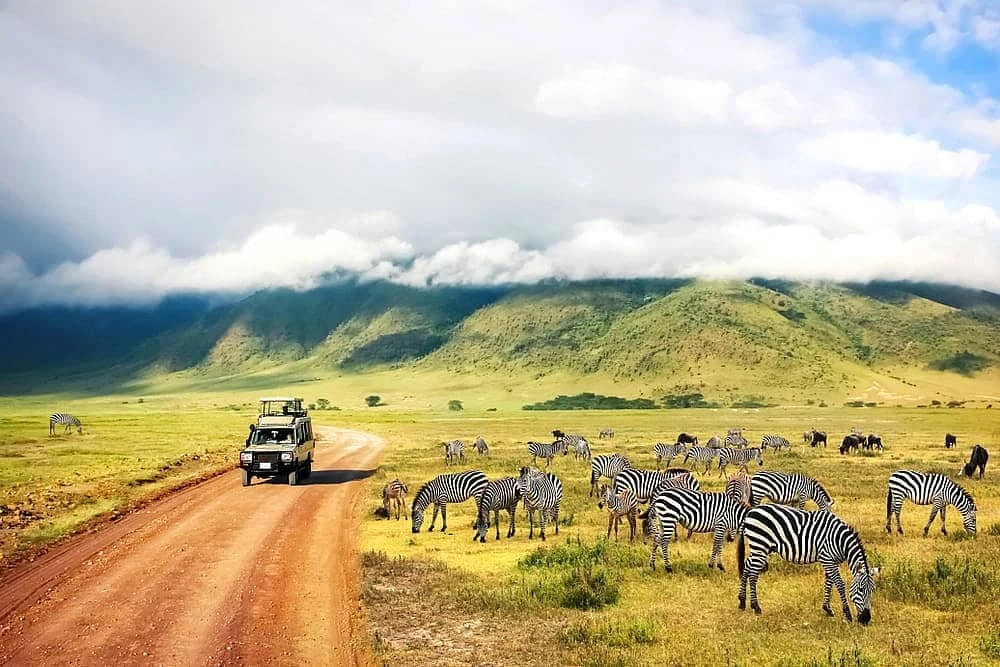
These months are the crème de la crème for visiting Tanzania! That’s why we rated them ‘Excellent’. Think of June to October as nature’s blockbuster season: sunny skies, wildlife galore, and the epic wildebeest migration. December to February is like hitting the safari jackpot, with lush green landscapes and adorable baby animals everywhere. And hey, March, April, May, and November are also cool to go—if you love vibrant greenery, bird-watching, and having the park almost to yourself, those months are a hidden gem. Yes, there might be rain, but still!
June to October (Dry Season)
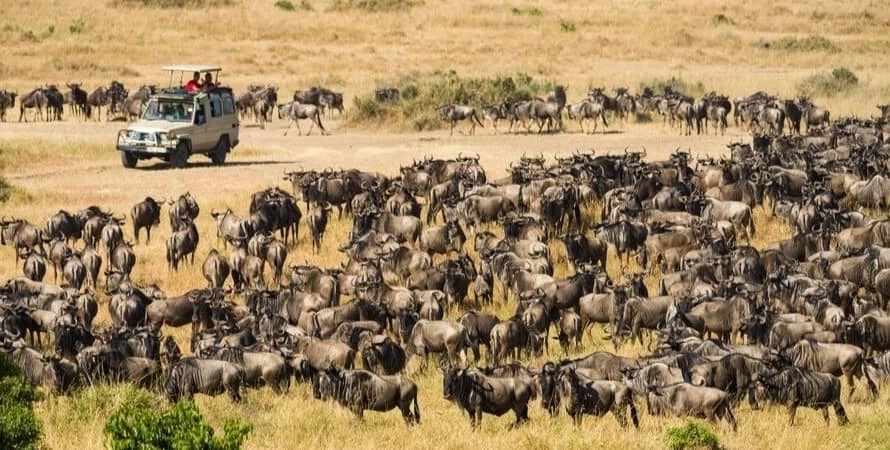
This period offers the best wildlife viewing as animals gather around waterholes, with July and August being peak times for witnessing the dramatic wildebeest migration and river crossings; the weather is pleasant and sunny.
December to February (Dry Season)
The dry season continues, providing excellent game viewing opportunities and pleasant weather; January and February are particularly special for witnessing the calving season in the southern Serengeti, attracting many predators…👀
March (Rainy Season)
The rains begin, making the landscape vibrant and lush, with excellent bird watching and fewer tourists for a more intimate safari experience. And lower prices, of course!
April to May ( Rainy Season)
Heavy rains make some roads challenging, but the scenery is spectacular, and the parks are quiet with lower rates, offering a serene and affordable safari experience.
November ( Rainy Season)
Short rains start, rejuvenating the landscape with blooming flowers and green forests, while still offering good wildlife viewing in the northern parks. It is also generally less busy.
Best Time to Visit Tanzania: Month by Month
- Best Time to Visit Tanzania: Month by Month Highlights. Highlights are based on climate, wildlife, safari experience, and feedback from our local guides.
- Dry Season: Probably The Best Season To Visit Tanzania
- The dry season is the most popular time for a safari in Tanzania . Why?
- During this time, wildlife gathers around rivers and waterholes, making it easier to spot animals. The pleasant temperatures of 25-27 °C with sunny, rain-free days create ideal conditions for game drives and outdoor activities. You’ll be sitting in the game drive car with the sun shining while wildlife makes their way to the waterholes for a much-needed refreshment.
- Fewer mosquitoes and better road conditions enhance your safari experience. The dry season also offers the best opportunities to witness the wildebeest migration, especially the dramatic river crossings in the northern Serengeti. For those looking to climb Kilimanjaro, the clear blue skies and cooler temperatures from evening to early morning make for perfect climbing conditions.
- When is the dry season?
- January
- February
- June
- July
- August
- September
- October
- late December
- Pros of traveling during the dry season
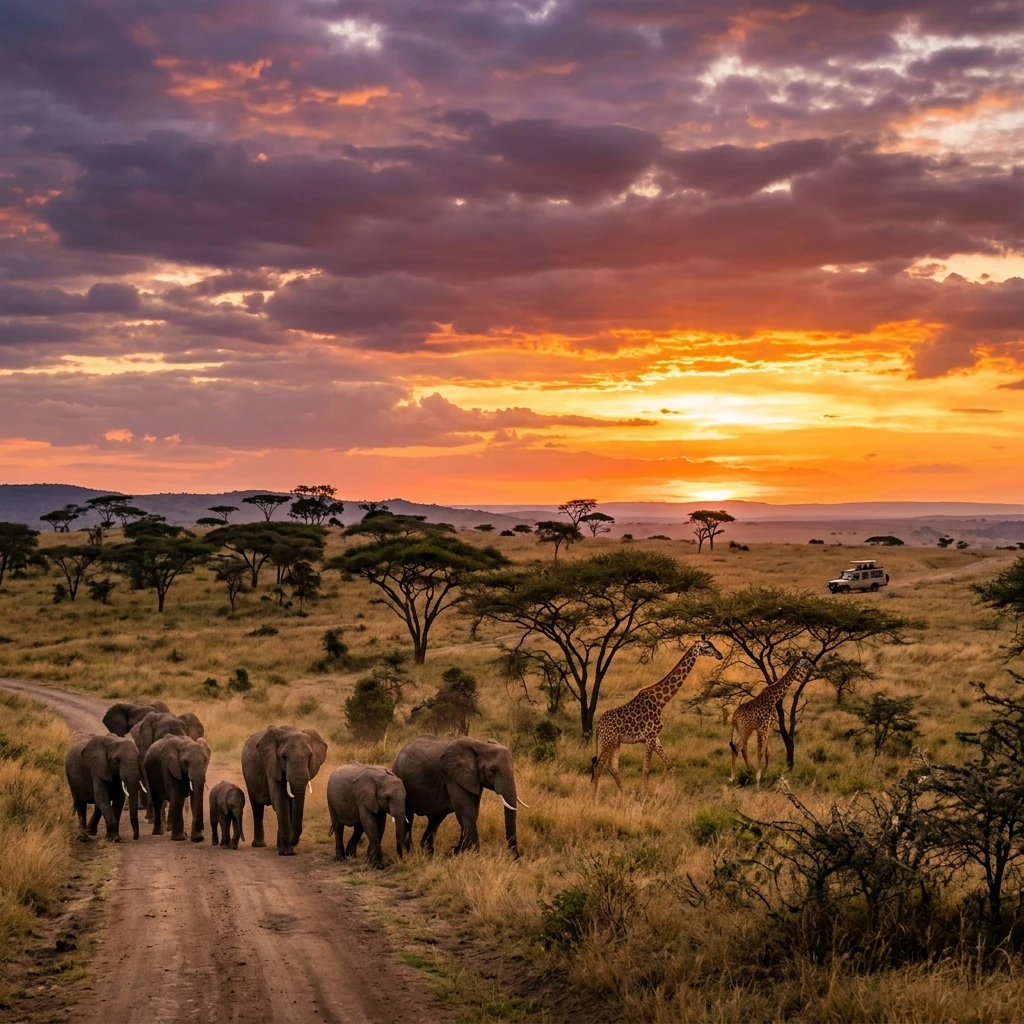
Wildlife gathers around rivers and waterholes, making it easier to spot
Good all-year wildlife viewing in northern Tanzanian parks
Wildlife is in good condition
Best wildlife viewing opportunities
Availability of most tourist services and activities
- Mid Season: March, November 1st to December 21st.
- The mid-season offers a balance between the high and low seasons, making it a great option for travelers seeking moderate prices and fewer crowds without compromising too much on weather and wildlife sightings.
- Moderate hotel rates
- Fewer tourists compared to the high season
- Some attractions may have limited availability
- Variable weather conditions
- Low Season: April and May
- The low season is perfect for budget-conscious travelers who don’t mind a bit of rain and are looking for a more peaceful and serene experience in Tanzania’s stunning landscapes.
- Lowest hotel and tour rates
- Least busy parks and attractions
- Some lodges and camps may be closed
- Highest rainfall, which can affect travel plans
- Every season in Tanzania offers a unique and beautiful experience, ensuring a memorable trip no matter when you visit!
- Experience the Great Migration Year-Round in Tanzania
- Great news: You can witness the awe-inspiring Great Migration all year long as it moves between the Maasai Mara in Kenya and the Serengeti in Tanzania. No matter when you travel, you won’t miss this incredible event. Let us break down when and where you can see the highlights, so you can choose what’s most important to you!
- December – March
- Witness the breathtaking Great Migration in the southern Serengeti , with the magical sight of newborn animals in February .
- July – September
- Experience the thrilling river crossings in the northern Serengeti , a spectacular highlight of the Great Migration.
- For more details on where the wildebeest migration is throughout the year, check out our article on the Great Wildebeest Migration .
- When is the Best Time To Visit Tanzania, based on the weather.
- For more detailed information on the weather, check out our page about the weather in Tanzania .
- These are average figures and may vary depending on the region.